Manager as a coach
Great managers don’t try to be the best player on the field.
They make sure everyone else plays better.
Think of Indian cricket. No coach is going to teach Rohit Sharma timing or explain pressure-handling to Virat Kohli. The job of the coach is to create the environment where these players perform consistently despite form slumps, noise, and expectations. That’s why coaching styles matter.
Ravi Shastri brought belief and energy, Anil Kumble brought structure and discipline, and Rahul Dravid focused quietly on development of young talent. Same talent. Different outcomes.
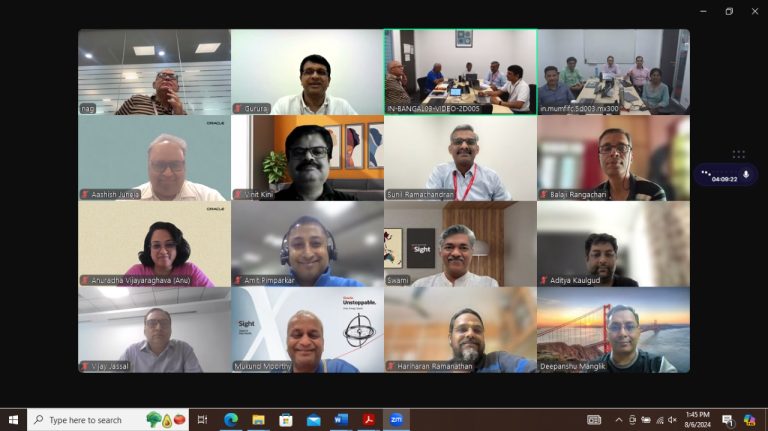
That thought came alive recently while we were training MPC Cloud Consulting Pvt Ltd on the topic “Manager as a Coach”. It was energising watching managers light up when they realised that management is not about having all the answers, but about asking better questions.
During the session, many managers reflected on their own employee days wanting managers who listened, clarified expectations, and didn’t turn every conversation into a blaming exercise. The uncomfortable realisation followed: Have I become the manager I once wished for when I was a team member?
This is where the hashtag#GROW model becomes practical especially for performance, relationship, or behaviour issues.
· Goal: What needs to change?
· Reality: What’s actually happening-patterns, constraints, pressures?
· Options: What choices exist?
· Will / Way forward: What will the employee commit to, by when?
The takeaway from the MPC session was clear:
In a knowledge economy and a VUCA world of today, managers don’t win by playing the game themselves.
They win by coaching others to play better and knowing that Rohit and a debutant never need the same conversation.